
By Shannon Pendleton
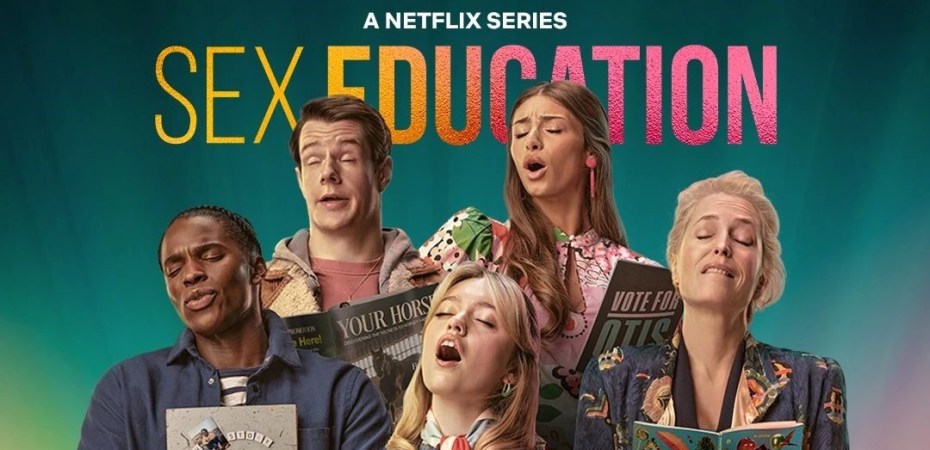
The fourth and final season of Laurie Nunn’s Sex Education premiered in September, exploring the story of budding sex therapist, Otis Milburn, along with his friends and peers at Moordale Secondary School.
As usual, this season explored a wealth of under-discussed topics, from a proud gay man’s struggle to connect with his Christian community to a daughter’s complicated journey in navigating her grief and relief after the loss of her mother to drug addiction.
The show also brings back the exploration of the nuances of sexuality and gender as the class of teenagers clumsily grapple with their adolescence. Indeed, something unique to Sex Education’s format is the show’s focus on creating authentic sex scenes while preserving the safety and comfort of the actors involved.
Season 4 is set in Cavendish College and introduces a band of new characters, including trans couple, Abbi and Roman. The actor playing Roman, Felix Mufti, spoke to Gay Times about his sex scene with on-screen love interest, Abbi. Condemning historical media representation for trans people as exploitative, Mufti describes his sex scene as ‘joyous and beautiful’ instead, departing from the usual ‘tragic’ formula. Mufti explains, ‘You never see two trans people having sex, ever, especially on their terms. […] Roman and Abbi get to have sex as trans people and say, This is how we have sex and autonomy over our bodies’.
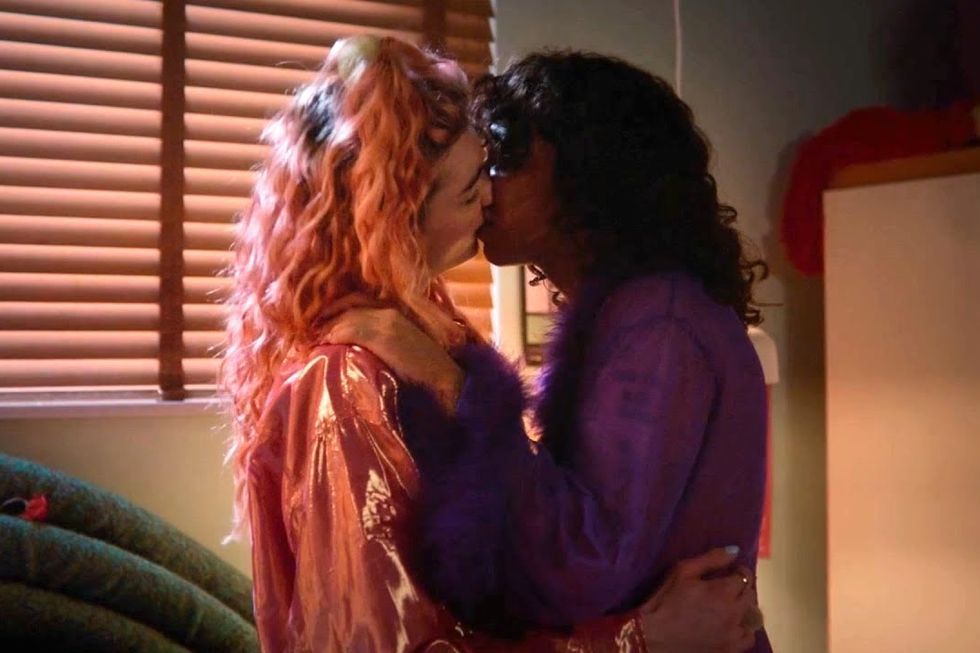
Earlier, during season 3, characters Isaac and Maeve develop a romantic relationship and have a similarly tender romance scene. As a wheelchair user, characters with disabilities like Isaac are typically desexualised in the media.
As Madison Michelle Bluhm explains in her thesis, ‘Representations of Disabled Sexuality in the Media’, ‘The most popular narrative that the media perpetuates regarding disability is the myth that disability equates to asexuality […] through efforts to emasculate, infantilize, and pity, effectively denying disabled people of any sexual agency’, cultivating a ‘discourse of “othering” […] where disabled people are robbed of their personhood’. Contrastingly, Isaac is involved in a deeply romantic scene that highlights him as a multi-dimensional character with wants and desires.
Explaining to Maeve that he can only feel above his level of injury, Isaac asks her to touch his chest so he can tell her where he can feel. Maeve then softly caresses his chest and shoulders before moving onto his face, tracing her finger down his forehead to the tip of his nose and then to his lips, gently kissing those places.
When Isaac asks Maeve the ways she likes to be touched, Maeve says she likes her ears being touched. After asking, ‘Please may I touch your ears?’ and receiving Maeve’s permission, Isaac kisses her ears softly. Likewise, before removing Isaac’s shirt, Maeve asks if she can do so.
The entire love scene is clearly one of consent and mutual affection. This is especially important when acknowledging that ‘the consent of disabled people is rarely considered because of the presumption of gratefulness at even being interacted with in the first place’, as explained by Kym Oliver in her article from the gal-dem magazine that explores the episode in depth.
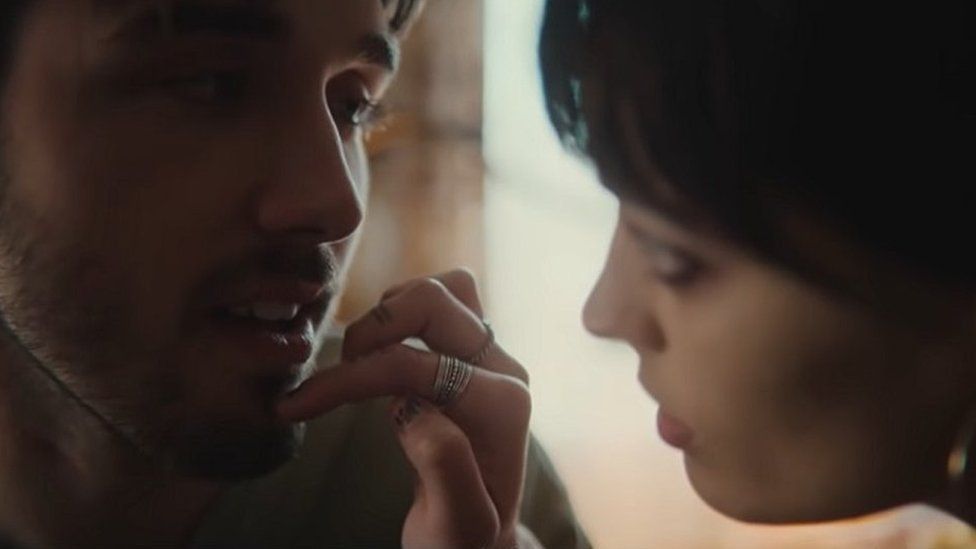
There is no doubt that Sex Education has become a trailblazing force that utilises sex and love scenes to provide respect to minority groups that have historically been dismissed or demonised by the media.
This ethos is continued behind the scenes as well, with the director, Kate Herron, prioritising a secure environment for the actors. Herron explained that their choice to hire an intimacy coordinator to supervise and guide sex scenes allowed them to ensure a ‘safe, comfortable working environment’, saying, ‘No one should have to go home after filming a sex scene and feel like what they’ve done is […] something really wrong’.
Ita O’Brien, the show’s intimacy coordinator, compares sex scenes to fight scenes whereby both involve a rigorous rehearsal process with a rigid structure that’s approved by all involved. O’Brien explained, ‘I’m there to help them choreograph it clearly, ensuring everyone was okay with both the physicality and the nudity. […] You agree to the scene step-by-step, including where people have consented to be touched, so they can be freer to tell the story and further their character through the scene’.
In fact, before filming began, the show’s cast and crew had the opportunity to take part in a day-long intimacy workshop which the actors described as ‘groundbreaking’. In the workshop, those involved shared their previous experiences with sex scenes and how they felt they were handled.
In the wake of the MeToo movement of 2017, which exposed the gross misconduct perpetrated against women in the industry as well as how sex scenes have been exploited to harass and abuse actors, Sex Education’s handling of intimate scenes is a refreshing and needed departure from the norm.
Fortunately, more shows are headed in the same direction. In 2018, HBO became the first mainstream network to staff all shows and films that feature sex scenes with an intimacy coordinator, a move followed by other streaming platforms, including Netflix, Hulu, and Amazon.
Sex Education is a show that has created space for stories and characters previously pushed to the periphery. Providing an educational platform covering topics from vaginismus to STIs while highlighting the inadequate sex education typically provided in schools across the country, the show has been a breath of fresh air that not only entertained but educated as well – fulfilling the promise of the name.
It also gave a voice to disenfranchised groups of people. It gave young viewers the opportunity and the confidence to explore themselves fully with the backing of the media. This is something usually only ever afforded to teenagers who fit within the norm – white, straight, cisgender, able-bodied, neurotypical; the list goes on for what society demands from a person in order to privilege them with dignity.
Crucially, the show opened up these parameters, using devices like sex scenes to shine a light on existing gaps in the media and highlight where things need to be changed. Although season 4 was the last, hopefully the show opened the doors for others to follow in its wake, so we as viewers can continue to see ourselves on screen in all the ways we deserve to be seen.
 The Curve Magazine